
High Resolution Anoscopy (HRA)
A Simple, Accurate Test for Detecting Early Abnormal Cell Changes/Anal Cancer screeningHigh Resolution Anoscopy (HRA) is a quick, in‑office procedure that allows our team at RSG Healthcare to closely examine the anal canal for any abnormal or precancerous cells. These changes are often (but not always) caused by HPV, and finding them early is the best way to prevent more serious problems in the future.HRA is the most accurate method available for detecting anal dysplasia (abnormal cells) and is recommended for people who may be at higher risk.
Description :
What HRA Does
HRA helps us:
- Look for abnormal or precancerous cells
- Monitor HPV‑related changes
- Take small biopsies only if needed
- Create a clear plan for follow‑up or treatment
The goal is simple: catch changes early, when they are easiest to treat.
What to Expect During the Procedure
We focus on making the experience as comfortable as possible. During an HRA exam, you can expect:
- A small, gentle scope to look inside the anal canal
- A mild solution of Vinegar and Iodine applied to highlight any abnormal cells
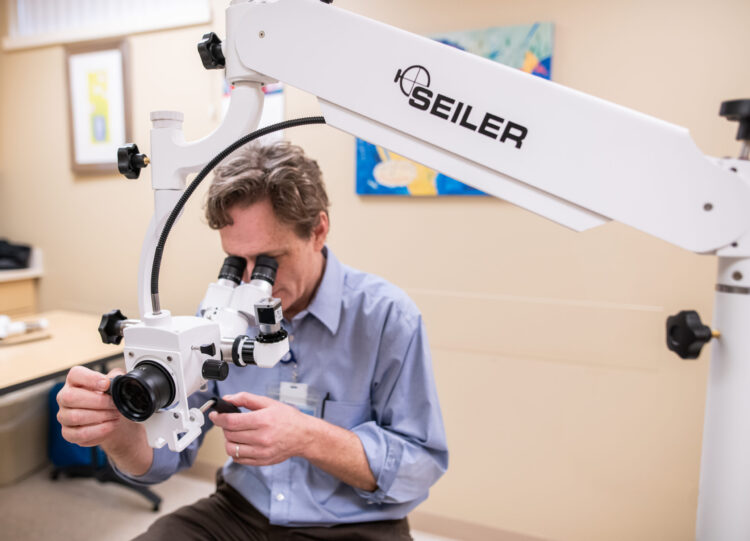
- A special microscope that gives a clear, magnified view
- A biopsy only if something looks concerning
Most people describe the procedure as uncomfortable (due to the pressure they feel) but not painful, and you can return to normal activities right away. We still recommend that you abstain from anal intercourse for at least 7 days.
Who Should Consider HRA
HRA is especially helpful for people who:
- Had an abnormal Anal Pap test (done at RSG Healthcare or any other doctor office)
- Have or had HPV‑related disease (such as anal warts)
- Currently living with HIV
- Have a weakened immune system (such as solid organ transplant or immunosuppressant medicines)
- Have a history of Vaginal or Vulvar Cancer or High Grade Abnormalities (HSIL)
- Have persistent Cervical HPV infection
- Have a history of anal abnormalities, anal bleeding, or any other anal concerns
If you fall into one of these groups, HRA can be an important part of staying healthy.
Why Choose RSG Healthcare
At RSG Healthcare, we provide:
- In office procedure completion to avoid multiple rounds of anesthesia/sedation which has risks associated including memory problems, confusion, delirium and may contribute to cognitive decline like dementia
In office procedure completion to reduce costs vs outpatient surgery centers or hospitals - Experienced clinicians trained in detecting early cell changes
- Correct modern equipment for the most accurate results
- A private, respectful environment for everybody
- Ability to watch the procedure on the monitor (if desired) while it’s happening and ask questions
- Clear guidance on next steps and follow‑up care
Our goal is to make the process simple, supportive, and focused on your long‑term health.
How to Prepare for Your HRA Appointment
Preparing for an HRA is simple. Most people do not need to make major changes before their visit. In general:
- You can eat and drink normally
- Avoid using enemas or suppositories the day of your appointment
- Take your regular medications as usual, unless your provider has advised otherwise.
- If you are sick or have symptoms like diarrhea, let the clinic know ahead of time, as your appointment may need to be rescheduled for accuracy and comfort.
- Wear comfortable clothing, as the procedure requires a brief exam in a private setting from the waist down.
- Abstain from any anal intercourse 24 hours before the procedure as personal lubricants can make the exam unsatisfactory
If your provider has any additional instructions based on your health history, they will share those with you before your appointment.


